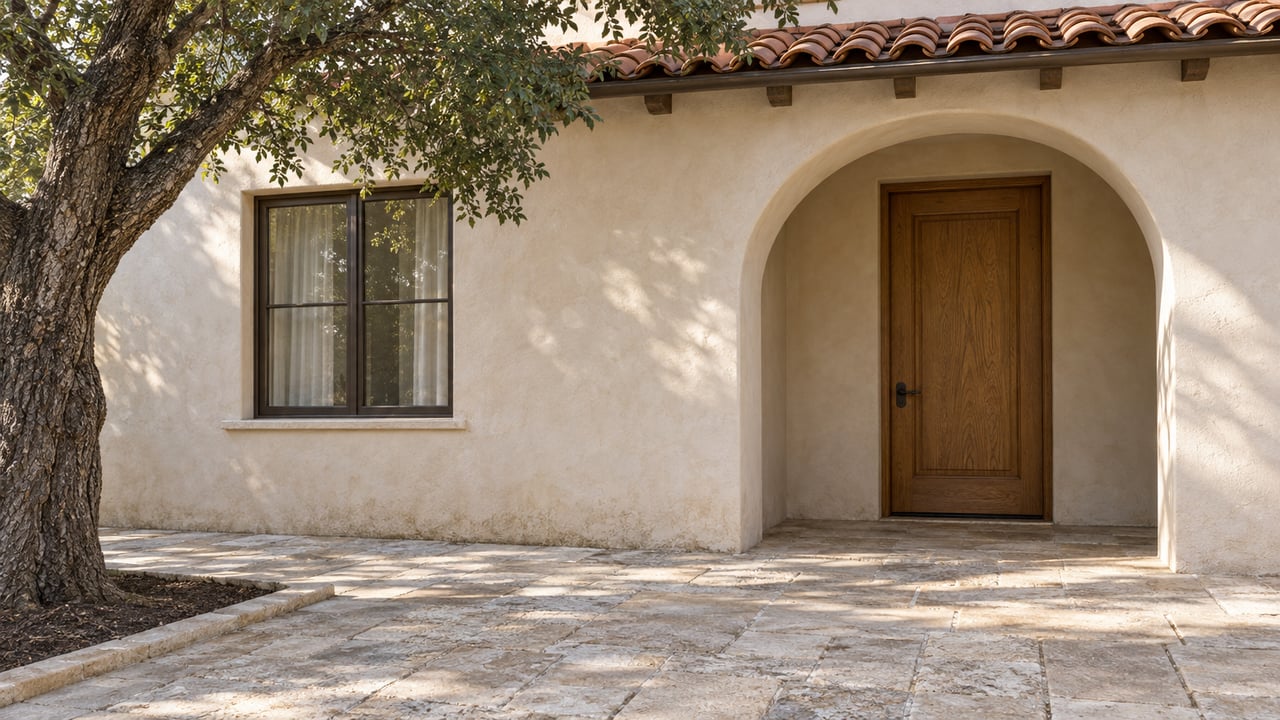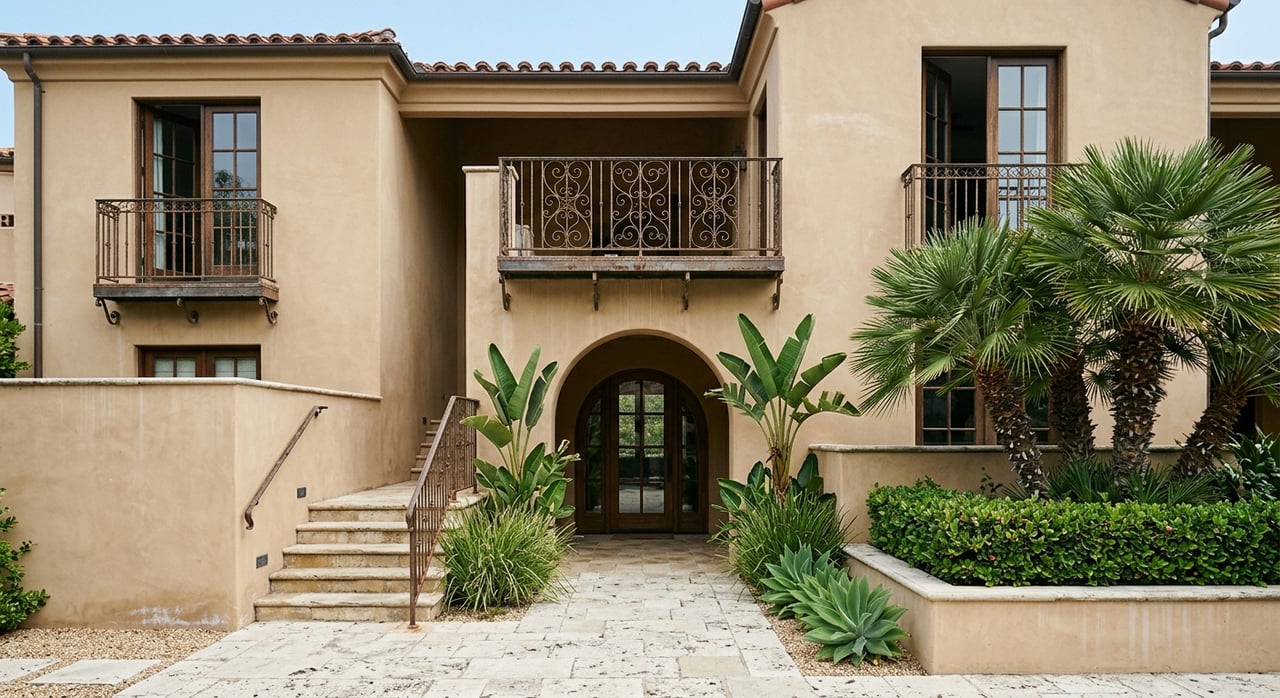
If you are dreaming about a condo by the coast, Dana Point can feel like a perfect fit. You get harbor energy, ocean views, and a lifestyle that draws both full-time residents and second-home buyers, but buying here takes more than falling in love with a floor plan. The right purchase depends on location, HOA details, insurance, and long-term costs just as much as finishes and scenery. Let’s dive in.
Why Dana Point Condo Location Matters
In Dana Point, two condos with similar square footage can offer very different ownership experiences. That is because exact site conditions matter in a harbor-and-coastal city where harbor planning, coastal zone boundaries, sea-level-rise planning, and bluff erosion all shape how a property functions over time.
A harbor-adjacent condo may offer easy access and a strong lifestyle appeal, but you should also ask about parking, access patterns, and possible disruption related to the city’s long-running harbor revitalization effort. A blufftop or cliff-adjacent condo may offer dramatic views, but elevation, slope stability, and setback from the bluff edge become practical due-diligence issues.
More inland condo locations may have a different risk and maintenance profile. You may trade some immediate water proximity for potentially fewer coastal exposure concerns, which can be an important part of your decision if you want lower complexity.
What the Market Says About Dana Point Condos
Dana Point is a premium South Orange County coastal market, but it is not the highest-priced condo market in the area. In the May 2026 Orange County market report, Dana Point condos had a median sales price of $958,000 overall.
That number only tells part of the story. The same report showed a wide zip-code spread, from $495,000 in 92624 to $1.422 million in 92629, which highlights how much micro-location matters.
For context, the same report placed Newport Beach condos at $1.193 million and Corona del Mar condos at $3.85 million. That comparison helps frame Dana Point as a high-value coastal option for buyers who want a strong lifestyle market without entering the very top tier of nearby pricing.
Understand Condo Ownership First
In California, a condo is usually part of a common interest development. That means you typically own your individual unit and also share an interest in common areas, with HOA membership automatically tied to title.
This is important because building style alone does not tell you how the property is legally owned. Before you buy, you need to understand not just the home itself, but also the obligations, restrictions, and shared financial structure that come with the community.
Review HOA Documents Carefully
Before removing contingencies, California guidance recommends using your review period to study the HOA documents in detail. That includes the CC&Rs, bylaws, rules, budget, reserve information, and any public report or subdivision disclosure.
This review is where you learn how the community operates on a practical level. You can confirm whether the rules fit your plans, whether the budget appears stable, and whether long-term obligations feel manageable.
If you are buying a second home or thinking ahead about flexibility, this step becomes even more important. Restrictions on rentals, use, maintenance responsibilities, and owner obligations can affect whether the condo fits your goals over time.
Key HOA Questions to Ask
- What are the current monthly HOA dues?
- How strong are the reserves?
- Have there been recent or planned special assessments?
- What rules apply to rentals and owner use?
- What maintenance responsibilities belong to the HOA versus the owner?
- Are there project documents for new construction or a condo conversion?
Pay Attention to HOA Finances
HOA finances deserve close attention in any condo purchase, and especially in a coastal setting where maintenance costs can be significant. Regular assessments fund operations and reserves, while special assessments can help cover major repairs or unexpected expenses.
California guidance notes that, without member approval, special assessments in a fiscal year cannot exceed 5 percent of gross budgeted expenses, and regular assessments generally cannot increase more than 20 percent per year without member approval. Those limits matter, but they do not eliminate the need to understand the association’s overall financial health.
A lower monthly HOA fee is not always a better value. If reserves are weak or deferred maintenance exists, you could face higher costs later.
Be Extra Careful With Older Projects
Older condo communities and condo conversions can come with extra layers of risk. Hidden building systems such as plumbing, electrical, mechanical components, and broader infrastructure may need rehabilitation, and reserve estimates may prove too optimistic over time.
This does not mean you should avoid older projects. It means you should look more closely at inspection findings, reserve funding, repair history, and whether the HOA appears proactive about long-term upkeep.
If the project is new construction or a conversion, ask for the California Department of Real Estate public report. That report can disclose material items such as hazards, use restrictions, zoning, and financial arrangements.
Coastal Risk Should Be Part of Your Search
Buying near the water always comes with tradeoffs, and Dana Point is no exception. The city’s planning materials state that future sea-level-rise modeling will evaluate shoreline change, beaches, bluff erosion, and coastal flooding.
The city’s Safety Element also notes that sea-level rise may affect Dana Point Harbor, evacuation routes, major roadways, the rail right-of-way, historic buildings, beaches, and infrastructure. For you as a buyer, that means coastal risk is not abstract. It should be part of how you compare one building to another.
For bluff-facing or cliff-adjacent condos, ask practical questions about elevation, slope stability, and setback from the edge. Ocean views are valuable, but so is understanding the site behind the view.
Check Flood Exposure Early
Flood risk is another area to review early, especially if you are comparing condos near the harbor or other low-lying coastal locations. Check FEMA flood maps and ask whether the unit or building is in a Special Flood Hazard Area.
That matters because flood-insurance requirements can apply in mapped flood-hazard zones, including for many government-backed mortgages. Even when insurance is not required, the cost and availability of coverage may still affect your total monthly ownership picture.
Condo Insurance Is Not the Same as HOA Insurance
One of the most common points of confusion in condo buying is insurance. The HOA’s master policy generally covers the structure and common areas, while a condo unit-owner policy generally covers your personal property, loss of use, personal liability, medical payments, and the interior or improvements you are responsible for maintaining.
Loss-assessment coverage can also matter. If the association levies a charge after a covered loss, that coverage may help protect you from some out-of-pocket cost.
Earthquake coverage is separate as well. California guidance notes that an HOA may insure common areas and the exterior structure, but may not cover earthquake damage in the way you expect.
Start Insurance Quotes Early
Insurance availability can be tighter in California, and not every insurer writes every property type in every area. That is why it makes sense to start getting quotes early in the process instead of waiting until the end.
As you compare options, verify the HOA’s coverage, the unit-level policy you may need, deductibles, and any earthquake or loss-assessment gaps. A condo that looks affordable on purchase price alone may feel very different once insurance costs are added in.
Think Beyond the Purchase Price
A smart Dana Point condo purchase is about total carrying cost, not just the number on the contract. Monthly HOA dues, reserve strength, insurance structure, possible special assessments, and unit-level insurance all deserve a place in your comparison.
This kind of side-by-side review can keep you from overpaying for a lifestyle that becomes harder to sustain. It can also help you feel more confident when choosing between a lower-priced condo with higher ongoing costs and a higher-priced condo with a stronger ownership profile.
A Simple Comparison Framework
When you evaluate Dana Point condos, compare:
- Purchase price
- Monthly HOA dues
- Reserve health
- Insurance cost and coverage gaps
- Flood or bluff-related exposure
- Parking and access
- Elevator or stair access
- Rental restrictions
- Planned maintenance or assessments
- View quality and how permanent it may be
If You Want Rental Flexibility, Verify the Rules
If you are buying a second home and hope to use it as a short-term rental at times, verify both city rules and HOA rules before you move forward. In Dana Point, legal short-term rental operation requires a city-issued permit.
The city also states that short-term-rental regulations in the Coastal Zone recently received Coastal Commission approval. Noncompliance can lead to notices of violation, fines, and permit revocation.
Just as important, HOA CC&Rs may still prohibit or limit rentals even if city rules allow them. That is why you should never assume rental flexibility based on location alone.
What Often Supports Resale Value
In Dana Point, resale value is often shaped by more than updated interiors. Buyers usually pay for location quality as much as finishes, and the local price spread shows how strongly submarket differences matter.
Features that can influence demand include view permanence, parking, elevator or stair access, HOA reserve strength, insurance cost, and exposure to coastal hazards. When you buy with those factors in mind, you are not just choosing a home for today. You are also choosing how the property may compete later.
A calm, methodical buying process can help you sort lifestyle appeal from long-term ownership quality. That is especially helpful in a market where beauty, complexity, and value often show up together.
If you are considering a coastal condo in Dana Point, the goal is not simply to find the prettiest unit. It is to find the one that aligns with your lifestyle, risk tolerance, and long-term financial comfort. When you ask the right questions early, you put yourself in a much stronger position to buy with confidence.
If you want thoughtful guidance on a coastal or second-home purchase, Heidi Dickens Homes offers a calm, high-touch approach designed to help you evaluate the details that matter most.
FAQs
What makes buying a coastal condo in Dana Point different from buying inland?
- Dana Point condo purchases often require closer review of micro-location issues like harbor proximity, coastal zone considerations, bluff erosion, flood exposure, and insurance differences.
What HOA documents should you review before buying a Dana Point condo?
- You should review the CC&Rs, bylaws, rules, budget, reserve information, and any public report or subdivision disclosure before removing contingencies.
What should you know about HOA fees and assessments for a Dana Point condo?
- HOA dues fund operations and reserves, while special assessments can cover major repairs or unexpected costs, so reserve strength and budget health are important parts of your review.
What insurance should you check when buying a condo in Dana Point?
- You should compare the HOA master policy with the unit-owner policy you may need, including interior coverage, personal property, liability, loss-assessment coverage, and separate earthquake options.
Can you use a Dana Point condo as a short-term rental?
- Possibly, but legal short-term rental use requires a city-issued permit in Dana Point, and HOA rules may still prohibit or restrict rentals.
What factors can affect Dana Point condo resale value?
- Resale value can be influenced by micro-location, view quality, parking, elevator or stair access, HOA reserve strength, insurance cost, and exposure to coastal hazards.