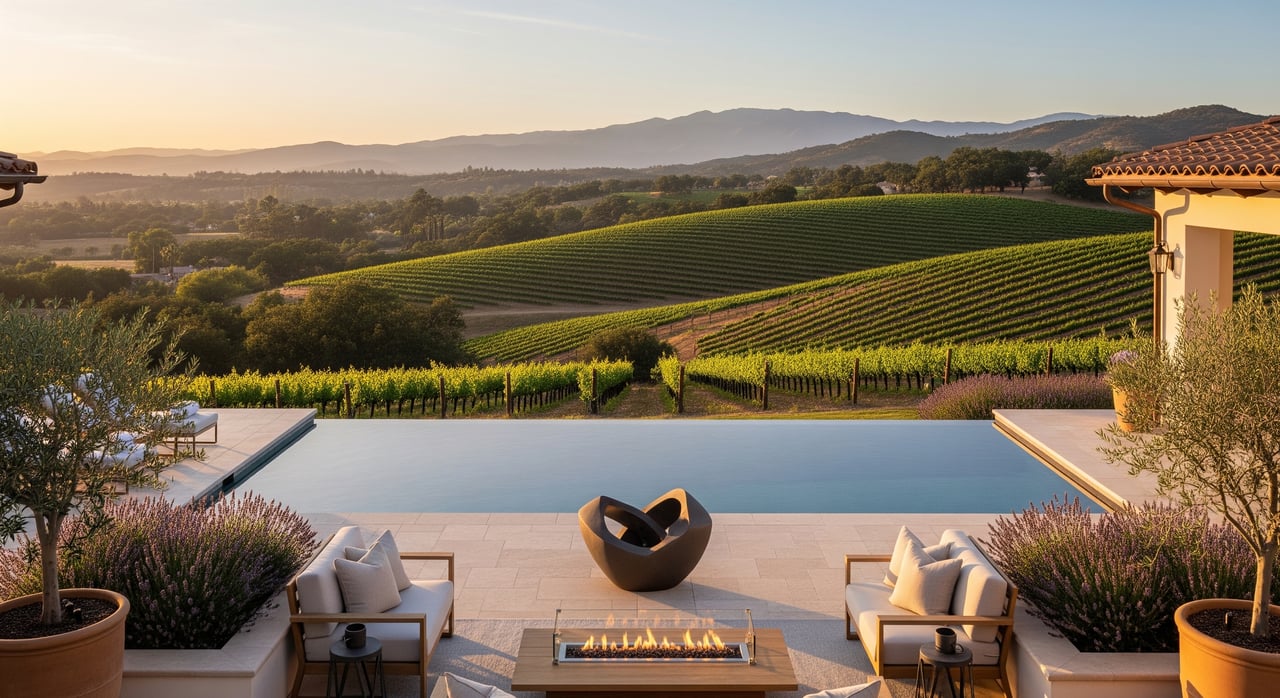
Ever imagine starting your day with mist over rolling vineyards and hot air balloons on the horizon? If you’re craving more space and a slower pace without losing access to everyday conveniences, Temecula wine country might be the right fit. In this guide, you’ll learn what daily life really feels like near the vines, from commute patterns and weekend rhythms to housing types, utilities, and buyer must-checks. Let’s dive in.
Where wine country is
Temecula’s wine country sits west and southwest of the city center along Rancho California Road, De Portola Road, and surrounding hills and valleys. Parcels range from in-city addresses to nearby unincorporated Riverside County. You’ll find a blend of rural estates, equestrian properties, and vineyard parcels alongside suburban neighborhoods and Old Town’s walkable core.
Climate and seasons
The region has a Mediterranean climate with hot, dry summers and mild winters. Summer highs often land in the 80s to 100s°F, while most rain arrives during winter months. Wildfire risk and drought are part of life here, so plan for defensible space, smart landscaping, and insurance conversations early in your search.
Weekday rhythms
Weekdays are calm in the vineyard corridors. You’ll handle school drop-offs, errands, and work commutes in town, then return to quiet evenings with big skies. Most tasting rooms start later in the morning, so early hours around the vines are typically peaceful.
Weekend patterns
Weekends bring energy. Wine tourism ramps up with tasting, live music, and private events, and weekend traffic increases near winery clusters and in Old Town. Sunrise balloon rides, farmers markets, and seasonal festivals add to the buzz, so expect more activity and occasional event noise depending on your location.
Getting around
Temecula is auto-centric and anchored by I-15 for north-south travel. Many residents commute to job centers in Riverside County, San Diego County, or Orange County, which can mean 30 to 60-plus minutes depending on destination and time of day. Local and regional bus service exists, but there is no major passenger rail hub in town, so most people rely on cars and value good garage and driveway space.
Conveniences and care
You’ll find everyday shopping in and around the city, from grocery chains to big-box retail. Old Town delivers restaurants, boutiques, tasting rooms, and frequent community events. Healthcare options include nearby hospitals, medical clinics, and urgent care centers in Temecula and Murrieta.
Schools overview
Public schools are served by Temecula Valley Unified School District. Private schools also operate in the area. School quality and boundaries vary by neighborhood, so confirm attendance maps and current performance data for any address you’re considering.
Home styles and lots
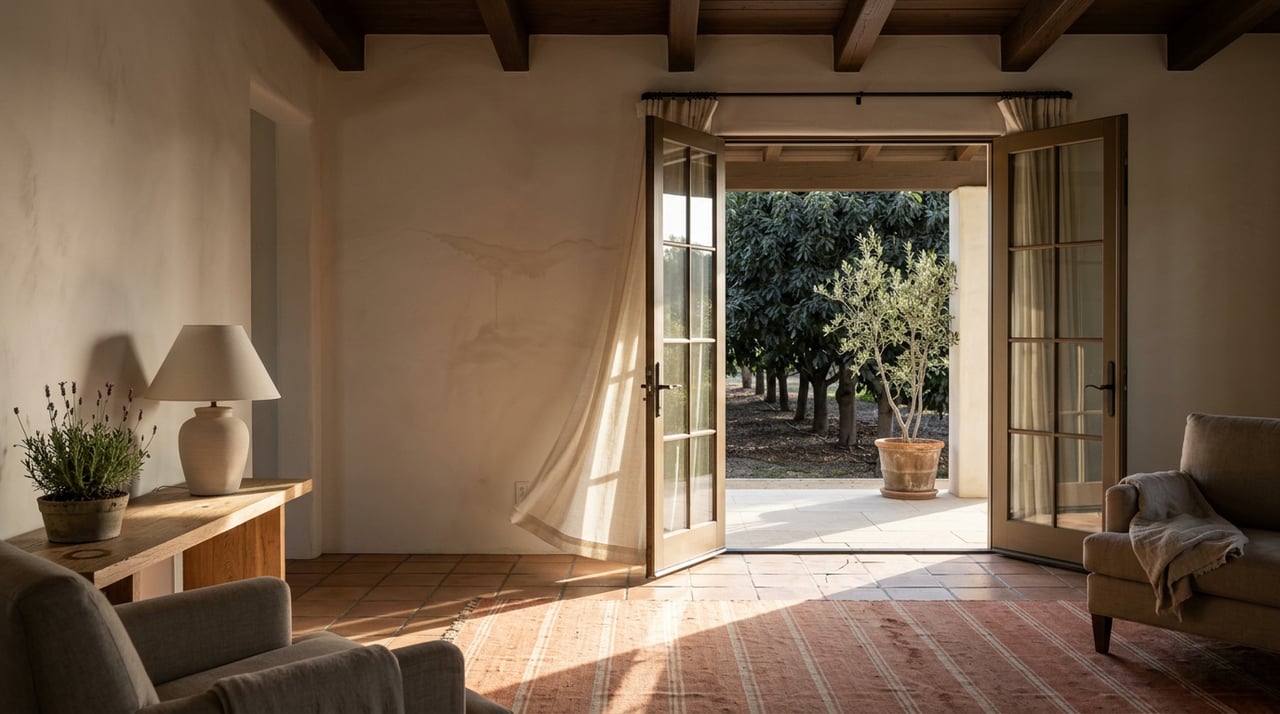
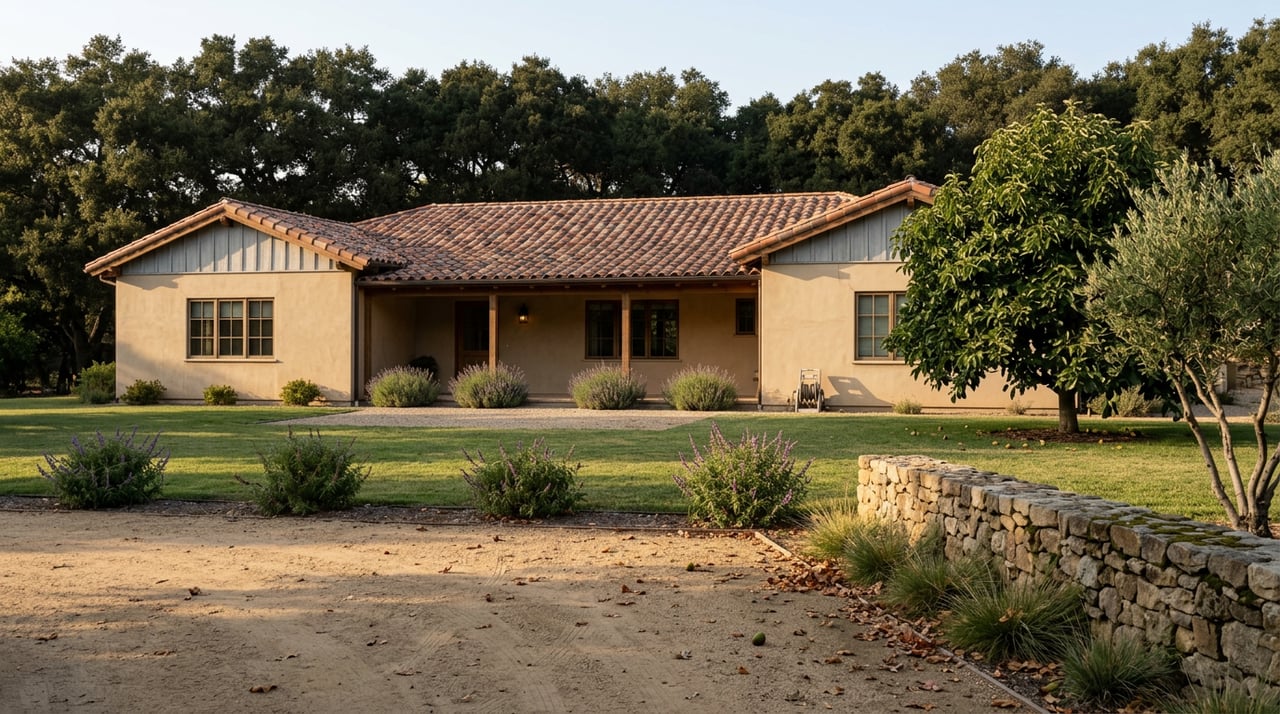
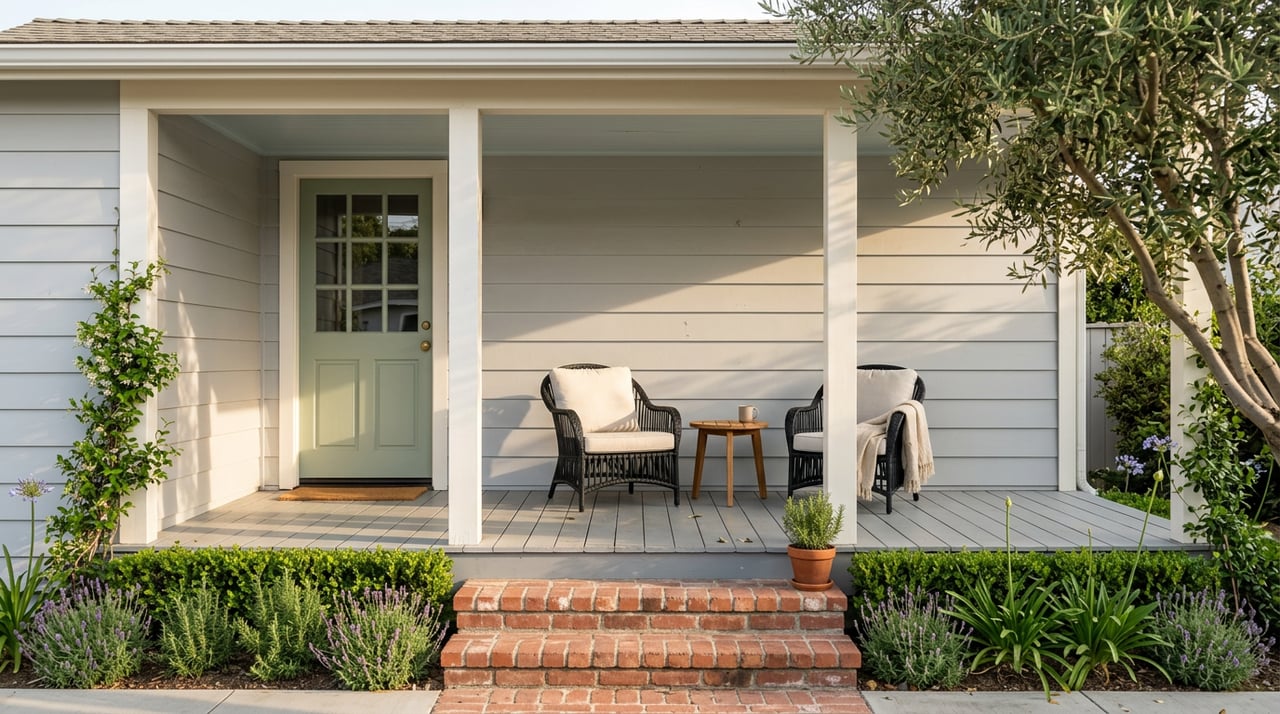
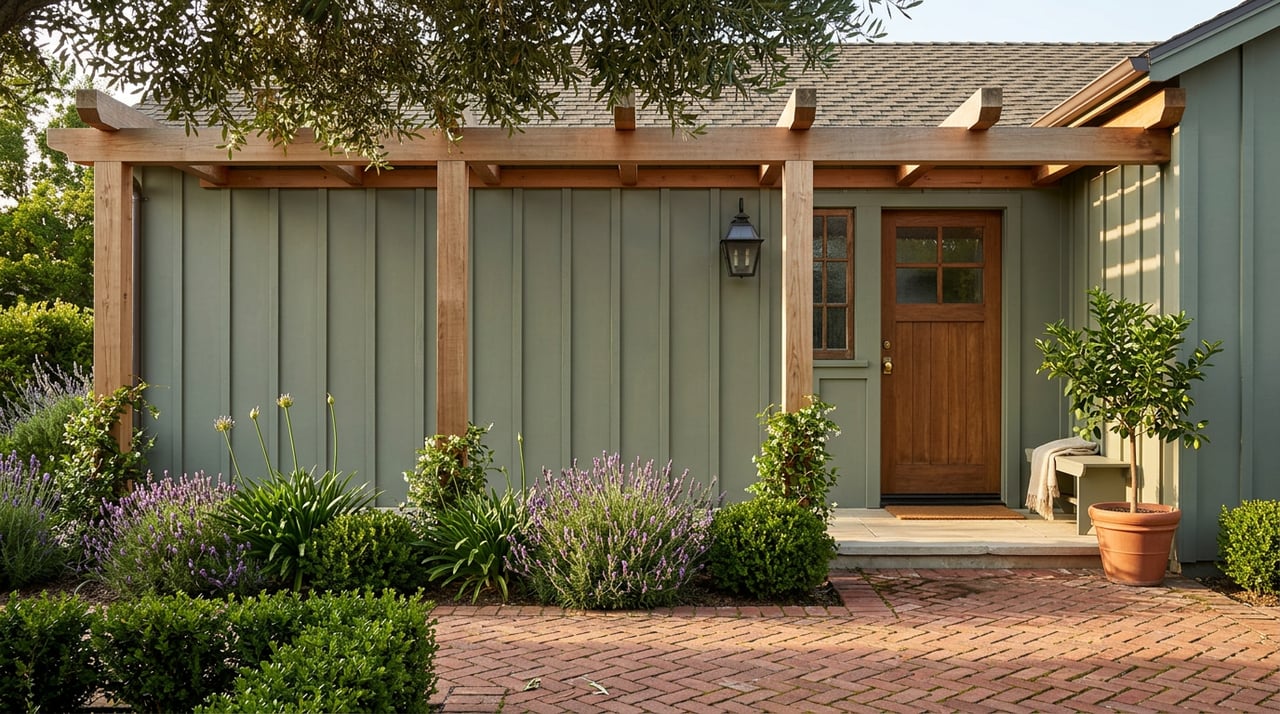
Housing choices range widely. Master-planned communities offer suburban single-family homes and townhomes near commercial corridors. In wine country, you’ll see estate properties on acreage, equestrian setups, and parcels suited to planting vines or maintaining hobby orchards. Old Town and central neighborhoods include smaller historic homes and mixed-use options.
Ownership costs
Plan for property taxes around 1 percent of assessed value plus local assessments. Newer developments may include Mello-Roos or special district fees, while many gated or planned neighborhoods have HOA dues. In rural and higher fire-risk zones, insurance premiums can be higher and may carry special requirements.
Utilities and internet
Water and sewer are provided by local districts. Agricultural and vineyard uses increase water demand, and drought rules can affect irrigation and landscaping. Electricity and gas are provided by regional utilities, while internet is robust in the city core. On rural acreage, some owners rely on fixed wireless or satellite, so test connectivity at the property if remote work is essential.
Planting vines or animals
Before planting grapes, confirm zoning, water access, and any agricultural permits that apply to your parcel. Rules differ between city and county jurisdictions. If you plan equestrian uses, check allowable uses, fencing, structures, and road access for horse trailers.
Buyer checklist
Use this list to focus your due diligence:
- Commute test: Drive your route during peak hours and explore alternatives to I-15.
- Zoning check: Confirm city vs. county jurisdiction and permitted uses for vines, tasting rooms, or agritourism.
- Water and irrigation: Verify water district service, allocations, and current drought restrictions.
- Hazard review: Check wildfire and flood maps, defensible space needs, and insurance options.
- Neighborhood costs: Review HOA CC&Rs, Mello-Roos or special district taxes, and private road maintenance obligations.
- Connectivity: Test internet and cell coverage at the property, especially on acreage.
- Noise and events: Ask about proximity to winery clusters, event venues, and busy weekend corridors.
- Schools: Confirm district boundaries and school assignments for your specific address.
- Financing fit: If buying acreage or agricultural property, confirm lender requirements for your loan type.
Is this lifestyle for you?
If you enjoy serene weekday mornings, big skies, and easy access to tasting rooms, trails, and local events, wine country living delivers a distinct rhythm. You trade some weekend congestion for rural scenery and space to spread out. With the right property match, you can balance privacy with quick access to Old Town, golf, and regional recreation.
Plan your next move
You deserve calm, expert guidance from search to closing. With 24-plus years of experience and a methodical approach to complex transactions, we help you weigh tradeoffs like commute time, water use, and rural insurance so you can buy with confidence. When you are ready to tour acreage or explore neighborhood fits near Temecula wine country, connect with Heidi Dickens Homes for tailored advice and a private consultation.
FAQs
Is living near wineries noisy?
- Expect more activity on weekends and during events, with quieter weekday mornings. Noise levels depend on distance to tasting rooms and event venues.
How are commutes from Temecula?
- Many residents drive via I-15. Inter-county commutes can run 30 to 60-plus minutes depending on destination and peak traffic.
What internet options exist on acreage?
- City-core areas often have cable or fiber. Rural parcels may rely on fixed wireless or satellite, so test speeds at the property.
How does wildfire risk affect owners?
- You may face defensible space requirements and higher insurance premiums in higher-risk zones. Confirm maps and coverage early.
Can I plant a hobby vineyard?
- Check zoning, water service, and any agricultural permit needs for your specific parcel before you plant.
What should I know about schools?
- Properties are typically served by Temecula Valley Unified School District, but boundaries vary. Verify the assigned schools for your address.