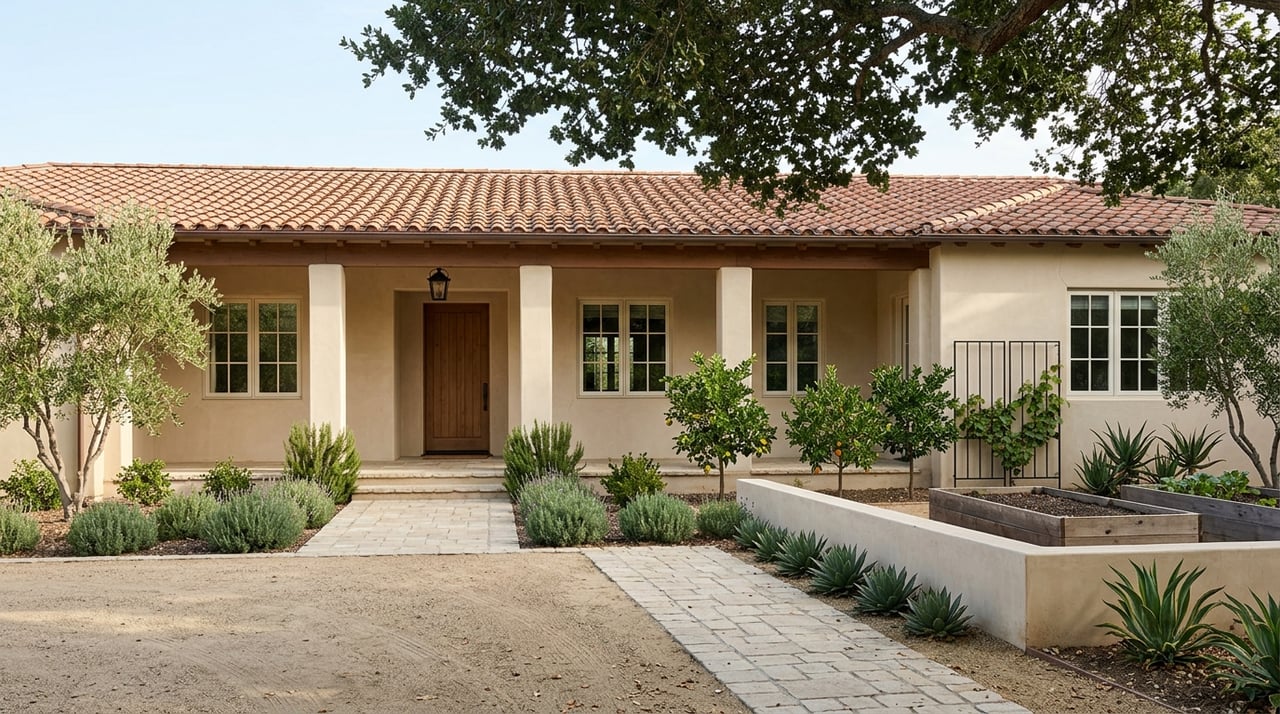
Dreaming about more space, more privacy, and a home that feels tied to the land? In Fallbrook, a ranch-style estate can offer exactly that, but it also comes with a different kind of ownership than a typical suburban property. If you are considering a multi-acre home here, it helps to understand the day-to-day realities before you buy. Let’s look at what you can expect from ranch-style estate ownership in Fallbrook.
Why Fallbrook Appeals to Ranch Buyers
Fallbrook is an unincorporated San Diego County community covering roughly 36,000 acres. The county describes it as a landscape of rolling hills, avocado and citrus orchards, natural buffers between neighborhoods, and a town center near the western edge. For many buyers, that mix creates a setting that feels more open and grounded than a dense suburban layout.
If you want a property with breathing room, Fallbrook often stands out because the land itself shapes the experience. Privacy here tends to come from parcel size, topography, and vegetation rather than from tightly built streetscapes or uniform screening. That does not mean every property feels the same, but it does help explain why ranch-style estates are such a natural fit in this area.
What Rural Estate Living Really Means
Owning a ranch-style estate in Fallbrook usually means managing more systems, more land, and more ongoing decisions. The home may offer a peaceful setting, but the trade-off is that you need to pay closer attention to how the property functions. That is especially true when it comes to utilities, irrigation, landscaping, and fire preparedness.
This is one of the biggest mindset shifts for buyers moving from a more typical neighborhood. A larger property can offer flexibility and lifestyle value, but it may also require more planning and more hands-on oversight. Knowing that upfront helps you buy with confidence.
Utilities Can Vary by Property
One of the first things to confirm is whether a property is on public utilities or private systems. Fallbrook Public Utility District says it serves Fallbrook and surrounding residential and agricultural areas with water, sewer, and reclaimed water across a roughly 28,000-acre service area. At the same time, not every property is connected in the same way.
FPUD also states that it has no regulatory authority over wells or septic tanks. In Fallbrook, wells and septic systems fall under county jurisdiction, and county rules require permits and standards for both septic installation or modification and well development. For buyers, that means you should verify the exact setup on the parcel instead of assuming a large estate will operate like a city-served home.
Questions to Ask About Utilities
- Is the home connected to public water, sewer, or reclaimed water?
- Does the property rely on a private well or septic system?
- Are any permits, upgrades, or modifications needed for existing systems?
- How is irrigation handled for the grounds?
Water Use Matters on Larger Parcels
On a ranch-style estate, water planning is about more than indoor use. Landscaping, groves, paddocks, and open grounds can all affect how much water a property needs. FPUD says California’s conservation regulation now sets permanent water-use budgets for its service area, so irrigation strategy is an important part of ownership.
That makes the practical side of landscaping especially important in Fallbrook. A property may look beautiful on showing day, but you will want to understand how that landscape is maintained over time. FPUD also offers free landscape irrigation evaluations and drought-tolerant landscaping guidance, which reflects how closely water management and long-term ownership are tied together here.
Fire Preparedness Is Part of Ownership
In Fallbrook’s rural and semi-rural areas, wildfire planning is not a one-time task. San Diego County fire guidance defines defensible space as the buffer between structures and surrounding vegetation, and property owners are required to comply with defensible-space requirements. On a larger parcel, that work can become an ongoing part of seasonal maintenance.
It is also important to check the parcel’s current fire-hazard designation. CAL FIRE classifies fire-hazard zones as moderate, high, or very high, and the county says local responsibility area maps were updated in 2025. Because maps and designations can change, buyers should verify the current status of a specific property rather than rely on past listings or assumptions.
Fire Readiness Checklist
- Confirm the current fire-hazard zone for the parcel
- Review defensible-space requirements around structures
- Evaluate vegetation levels and ongoing maintenance needs
- Ask how access, slopes, and open land affect upkeep
Horses and Hobby Agriculture May Be Possible
Fallbrook has deep agricultural roots, and that is part of its identity today. The county highlights avocado and citrus orchards, nursery plants, and the annual Avocado Festival, which helps explain why hobby farming, groves, and equestrian uses often feel consistent with the local setting. For many buyers, this is a big part of the appeal.
Still, lifestyle fit and legal use are not always the same thing. A property may look ranch-ready while having limits on what you can actually do there. That is why zoning review matters so much before you move forward.
Zoning Should Guide Your Plans
Because Fallbrook is unincorporated, San Diego County zoning rules apply. The county’s zoning resources include parcel-specific lookup tools and rules related to lot size, setbacks, animal regulations, and special-area requirements. If you are thinking about horses, hobby agriculture, or expanded outdoor use, you will want to confirm what the parcel allows.
The county says horsekeeping, meaning the private use of horses by owners or occupants, is allowed on most properties without a permit. However, commercial horse stables may require county land-use review depending on scale and intensity. That distinction matters if your long-term vision includes boarding, lessons, or another business use.
Use Questions Worth Verifying Early
- Is private horsekeeping allowed on this parcel?
- Would a commercial stable or lesson facility need county review?
- Are there lot size or setback limits that affect barns or other structures?
- Does the zoning match your intended use today and later?
Grounds Care Is a Bigger Commitment
A ranch-style estate often means more than owning a house. You may also be caring for long driveways, irrigated landscape, mature vegetation, open acreage, or animal areas. The beauty of the property is part of the lifestyle, but so is the maintenance plan behind it.
If animals are part of your goals, that management becomes even more specific. San Diego County guidance says composting manure from horses and other livestock can help reduce odors, flies, pathogens, and polluted runoff. The county also provides an Equine Residential BMP handbook for small horse operations, which shows how hands-on and practical ownership can become when livestock is involved.
You Still Have Access to a Town Center
Choosing a rural estate in Fallbrook does not mean giving up community life. The county describes Main Street as home to antique shops, restaurants, art galleries, jewelry stores, and other businesses. It also notes a historical museum and nearby golf courses, while describing the town center as busy and vibrant.
For buyers, this is one of Fallbrook’s most appealing balances. You can enjoy a quieter home base with land and separation, while still having a recognizable local core for day-to-day errands, dining, and community events. That balance is one reason Fallbrook continues to attract lifestyle-driven buyers.
What to Confirm Before You Buy
If you are seriously considering a ranch-style estate in Fallbrook, the most useful questions tend to be practical ones. The goal is not just to fall in love with the setting, but to understand how the property works. That clarity can help you avoid surprises and choose a home that truly supports your lifestyle.
Before you buy, make sure you confirm:
- Whether the home is on public water and sewer or private well and septic
- Whether reclaimed water is available for irrigation
- What fire-hazard designation applies to the parcel
- What defensible-space work may be required
- Whether your intended animal or agricultural use is allowed under county zoning
- How much landscape and grounds maintenance the property will require
A Fallbrook ranch-style estate can offer privacy, flexibility, and a strong sense of place. It can also require more self-management than a typical neighborhood home. When you understand both sides of that equation, you are in a much better position to choose a property that fits not just your wishlist, but your day-to-day life.
If you are exploring estate properties in Fallbrook and want calm, experienced guidance through the details, Heidi Dickens Homes can help you evaluate the land, the lifestyle, and the ownership realities with confidence.
FAQs
What is ranch-style estate living like in Fallbrook?
- Ranch-style estate living in Fallbrook often means more land, more privacy shaped by hills and vegetation, and more hands-on management of utilities, irrigation, landscaping, and fire preparedness.
Are Fallbrook estate properties on public utilities?
- Some are served by Fallbrook Public Utility District for water, sewer, and reclaimed water, but some properties may rely on private wells or septic systems that are regulated by county departments.
Can you keep horses on a Fallbrook ranch property?
- San Diego County says private horsekeeping by owners or occupants is allowed on most properties without a permit, but commercial stable uses may require county review depending on the scale.
What wildfire planning should buyers expect in Fallbrook?
- Buyers should expect to review defensible-space requirements, assess vegetation management needs, and verify the parcel’s current fire-hazard designation because local maps were updated in 2025.
Does Fallbrook have local shops and services near estate properties?
- Yes. The county says Fallbrook has a town center and a Main Street with shops, restaurants, art galleries, jewelry stores, a historical museum, and nearby golf courses.
Why is zoning important for Fallbrook ranch-style estates?
- Zoning is important because a property may appear suitable for horses, hobby farming, or expanded ranch use, but the exact activities allowed depend on county zoning rules and the parcel’s specific characteristics.