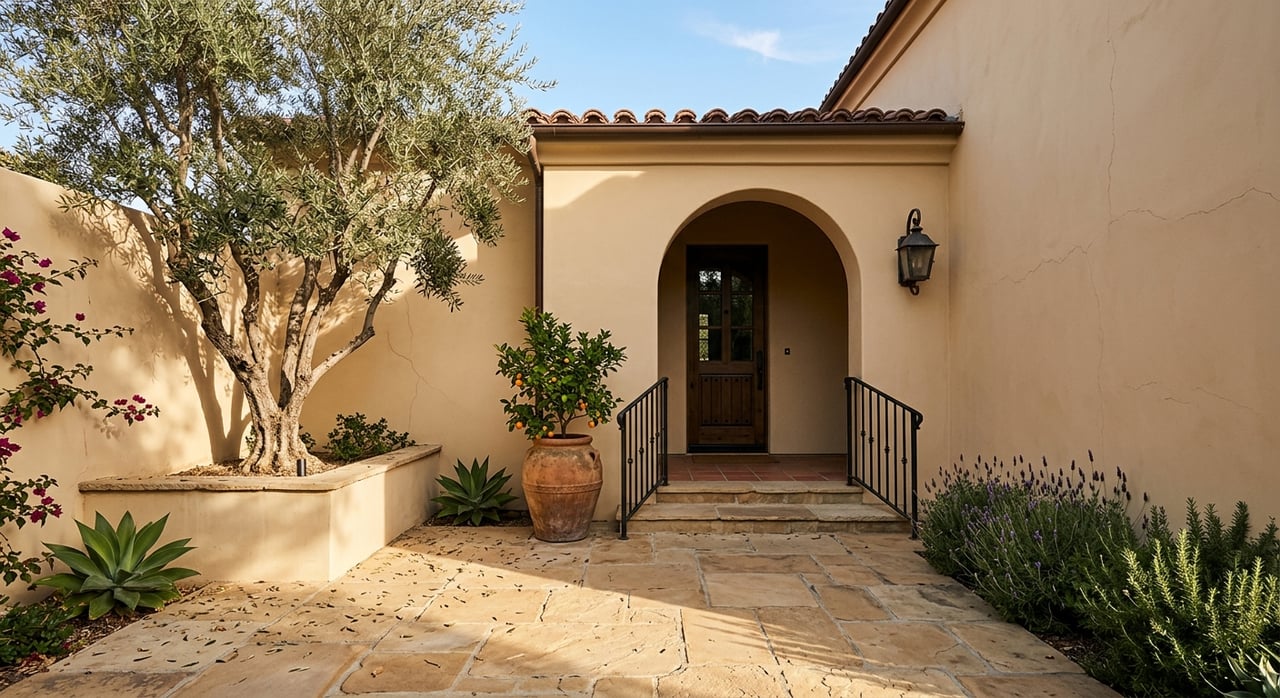
If you are looking for a Southern California city with real history woven into daily life, San Juan Capistrano stands out right away. It is not just a place with historic landmarks you visit once. It is a city where preserved streets, seasonal traditions, trails, and village-style gathering spaces still shape how people live. If you want a clearer picture of what everyday life here actually feels like, this guide will walk you through the rhythm of the city. Let’s dive in.
A City Shaped by History
San Juan Capistrano describes itself as unique in Orange County and still evolving after more than 220 years. Mission San Juan Capistrano remains a defining part of that identity and is recognized by the city as the birthplace of Orange County.
That history is not tucked away in one corner. It shows up in the layout of downtown, in preserved buildings, and in the city’s ongoing commitment to historic preservation. The result is a place where the past feels visible and active rather than decorative.
Historic Downtown Feels Walkable and Layered
One of the clearest parts of daily life in San Juan Capistrano is its historic core. The Mission sits in the heart of downtown, within walking distance of shops, restaurants, and the train station.
This gives the area a village-scale feel that is harder to find in many larger Orange County communities. Instead of a purely car-oriented experience, parts of the city invite you to slow down, walk between destinations, and notice the details around you.
Los Rios Adds a Distinctive Local Character
Los Rios Street is one of the city’s most notable historic areas. The city describes it as one of the oldest residential districts in California, and its primarily residential setting helps explain why it feels intimate and quiet.
Limited parking in the district also reinforces that pedestrian-oriented atmosphere. For residents and visitors alike, it creates a slower pace that fits the historic setting.
Preservation Is Part of Daily Civic Life
San Juan Capistrano’s preservation efforts go beyond signage and storytelling. The city has a Cultural Heritage Commission, designated landmarks, docent training for walking tours, and Historic Preservation Week.
Its motto, Preserving the Past to Enhance the Future, captures how the city approaches growth and change. For you as a buyer or homeowner, that helps explain why the historic character feels cared for and intentional.
Housing Reflects More Than One Era
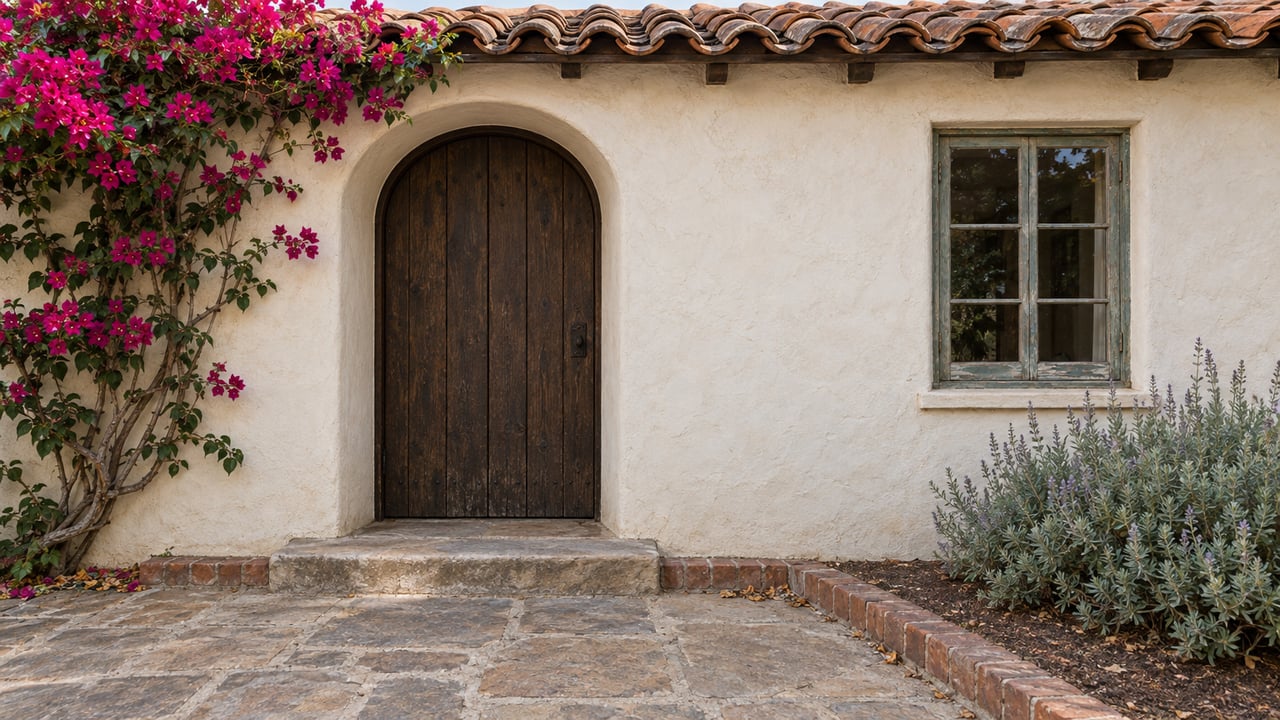
If you picture San Juan Capistrano as a city of only adobe buildings and Mission-style architecture, the real story is broader. Historic resources in the city include adobes, early-20th-century homes, ranch and farmhouses, and landmarks from several different periods.
That layered mix gives the city a more textured residential character. You can see how different eras have shaped the built environment over time rather than finding one single architectural look repeated everywhere.
Downtown Design Still Honors Local Roots
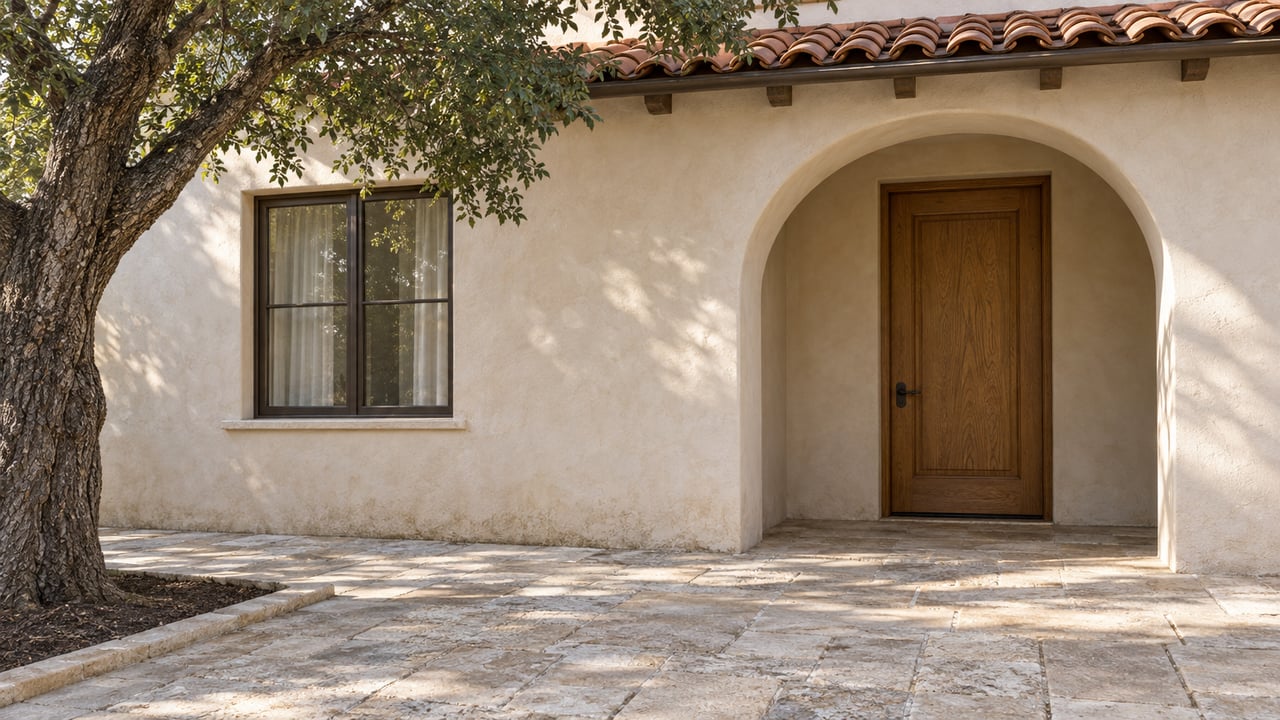
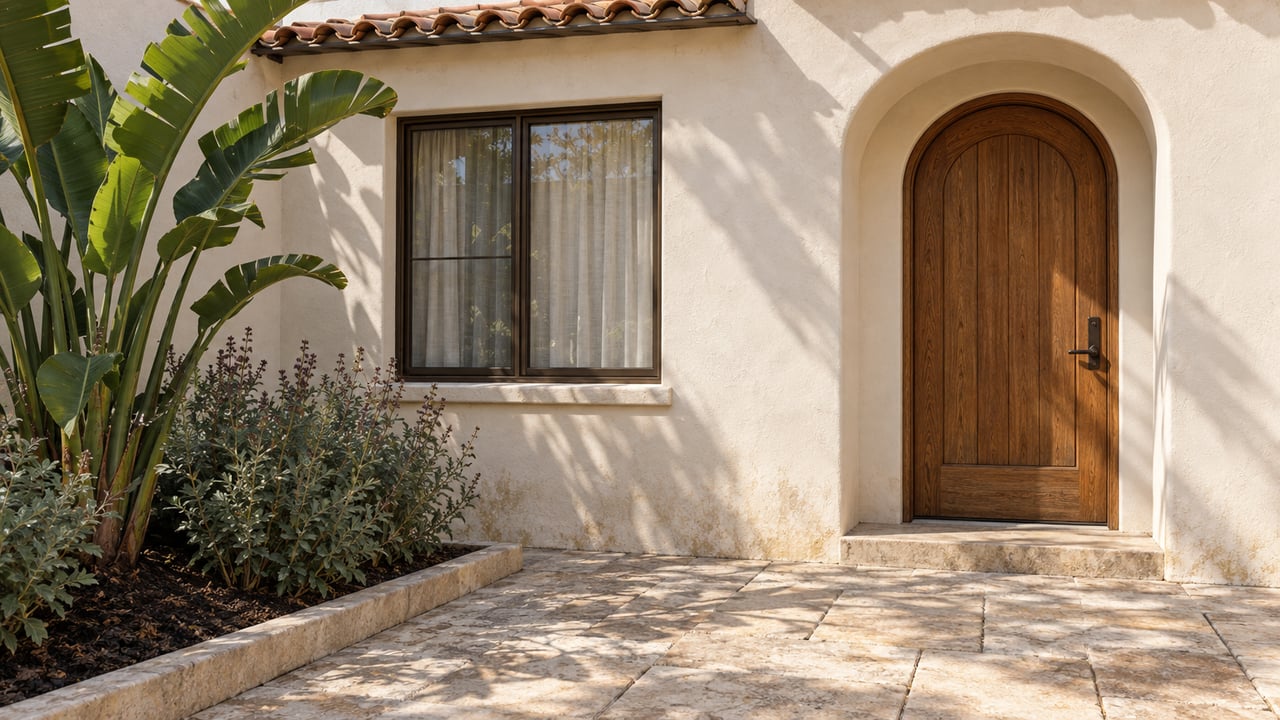
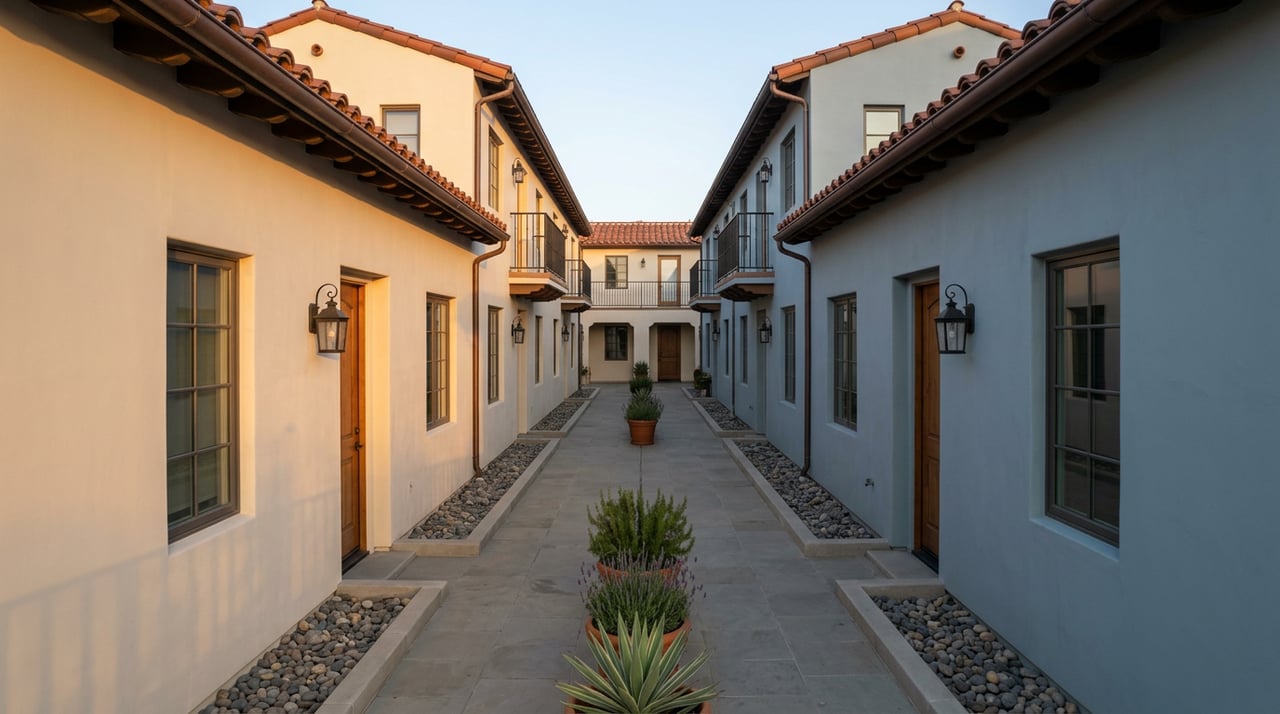
Even as the city evolves, preservation guidance encourages development that reflects the area’s agrarian and Mission-era character. Earth-toned palettes and design themes tied to local history help newer projects feel connected to the city’s identity.
For buyers, that often translates into a stronger sense of continuity. For sellers, it supports the story of San Juan Capistrano as a place with a clear visual character and long-standing appeal.
Community Life Centers on Shared Traditions
Historic places matter here, but so do recurring local events. San Juan Capistrano has a strong calendar of community programming that gives the city a familiar rhythm through the year.
The city oversees public spaces such as Historic Town Center Park, Los Rios Park, the Community Garden, and Reata Park and Event Center. These spaces support everyday recreation as well as larger gatherings that bring residents together.
Seasonal Events Create Local Rhythm
Community-wide events include the 4th of July Celebration, Spring Eggstravaganza, the Christmas Tree Lighting Ceremony, San Juan Summer Nites, and the annual Swallows Day Parade. These are not isolated attractions. They help define the pace of the year for many residents.
San Juan Summer Nites, for example, takes place at Historic Town Center Park on the third Wednesday of June, July, August, and September. With free live music and activities for all ages, it adds a reliable summer tradition to local life.
The Swallows Tradition Still Matters
The Return of the Swallows remains one of the city’s best-known seasonal traditions. Mission San Juan Capistrano continues to mark St. Joseph’s Day and the return on March 19, reinforcing how heritage and daily community identity still overlap.
For many people, this kind of tradition helps a city feel memorable and rooted. It is one more way San Juan Capistrano keeps its history present in everyday life.
Trails and Equestrian Culture Stay Visible
San Juan Capistrano’s equestrian identity is not just part of its image. It is supported by real infrastructure and city services that keep it active in daily life.
The city maintains public trails and open space, including routes that serve horse, hike, and bike use. Equestrian crossings and city support for related facilities show that this part of local culture remains practical and visible.
Open Space Supports an Outdoor Lifestyle
The city’s trail map includes combination-use routes, which makes outdoor recreation part of the local routine for many residents. Whether you enjoy walking, biking, or simply having access to open space nearby, this contributes to a different day-to-day experience than a more fully built-out suburb.
The presence of the city-owned Rancho Mission Viejo Riding Park and the Parks, Equestrian and Community Services Commission adds another layer. It shows that outdoor and equestrian amenities are woven into civic planning, not treated as secondary features.
Transit Is Part of the Historic Core
In many communities, rail access sits off to the side of daily life. In San Juan Capistrano, the train station is part of the historic downtown experience.
The station opened in 1894 and sits near Camino Capistrano and Verdugo Street, a short walk from the Mission. Amtrak service was reinstated there in 1974, and the station continues to make regional rail a practical part of the city’s lifestyle.
Getting Around Can Feel More Connected
For residents who commute or like having regional access without driving every trip, that station matters. Census data show a mean commute time of 26.5 minutes, which fits a city where some residents work locally while others travel around Orange County and the broader region.
The city also provides summer weekend trolley service and special-event trolley service for major gatherings like the Swallows Day Parade and concert nights. That adds to the sense that community events and mobility are linked in useful, everyday ways.
The Population Profile Suggests Stability
San Juan Capistrano is a relatively small city, with an estimated population of 35,119 as of July 1, 2025. Several Census figures point to a place with an established residential base and a strong sense of continuity.
About 81.0% of housing is owner-occupied, and 92.8% of residents were living in the same house a year earlier. Those numbers suggest a community where many people put down roots and stay.
A Diverse and Established Community
The city also reflects a broad social mix. Census data show that 31.0% of residents speak a language other than English at home, adding to the city’s day-to-day cultural range.
San Juan Capistrano also has an older-skewing profile, with 21.5% of residents age 65 and older, along with an average household size of 2.84. Together, those details paint a picture of a mature, established community rather than a place defined by constant turnover.
What Buyers Often Notice First
For many buyers, San Juan Capistrano offers a combination that is hard to replicate. You get a compact heritage town feel, active public events, meaningful trail and equestrian amenities, and a historic downtown with regional transit access.
You also get a housing story that is more varied than many people expect. From adobes and farmhouses to later homes shaped by Southern California design traditions, the city offers a residential environment with visible depth and character.
For lifestyle-focused buyers, that mix can feel especially compelling. It supports the idea that a home here is connected not just to square footage or finishes, but to a specific way of living.
Why Everyday Life Here Feels Distinct
What makes San Juan Capistrano stand out is not one single feature. It is the way history, housing, community events, trails, and transit all work together.
You can spend time in a walkable historic district, attend a long-running seasonal event, access public trails, and still stay connected to the wider region by rail. That blend gives the city a daily rhythm that feels both rooted and practical.
If you are considering a move and want a place where lifestyle and local identity truly matter, San Juan Capistrano offers a clear example of how a historic community can still feel very livable today.
If you are exploring homes in San Juan Capistrano or looking for thoughtful guidance on lifestyle-driven moves across Southern California, Heidi Dickens Homes offers the calm, high-touch support you need to move forward with confidence.
FAQs
What is everyday life like in historic San Juan Capistrano?
- Everyday life in historic San Juan Capistrano blends walkable downtown areas, preserved historic streets, community events, trails, equestrian amenities, and regional rail access.
What makes downtown San Juan Capistrano unique for residents?
- Downtown San Juan Capistrano centers around the Mission and includes shops, restaurants, historic buildings, and the train station within walking distance, creating a village-scale feel.
What kinds of homes are found in San Juan Capistrano?
- San Juan Capistrano’s housing character includes adobes, early-20th-century homes, ranch and farmhouses, and properties influenced by the area’s agrarian and Mission-era design traditions.
How important is equestrian culture in San Juan Capistrano?
- Equestrian culture remains an active part of city life through public trails, equestrian crossings, open space, the Rancho Mission Viejo Riding Park, and city-supported recreation planning.
Does San Juan Capistrano have public events throughout the year?
- Yes, the city hosts recurring events such as San Juan Summer Nites, the Swallows Day Parade, the 4th of July Celebration, Spring Eggstravaganza, and the Christmas Tree Lighting Ceremony.
Is San Juan Capistrano a stable residential community?
- Census data suggest a stable residential base, with 81.0% owner-occupied housing and 92.8% of residents living in the same home one year earlier.