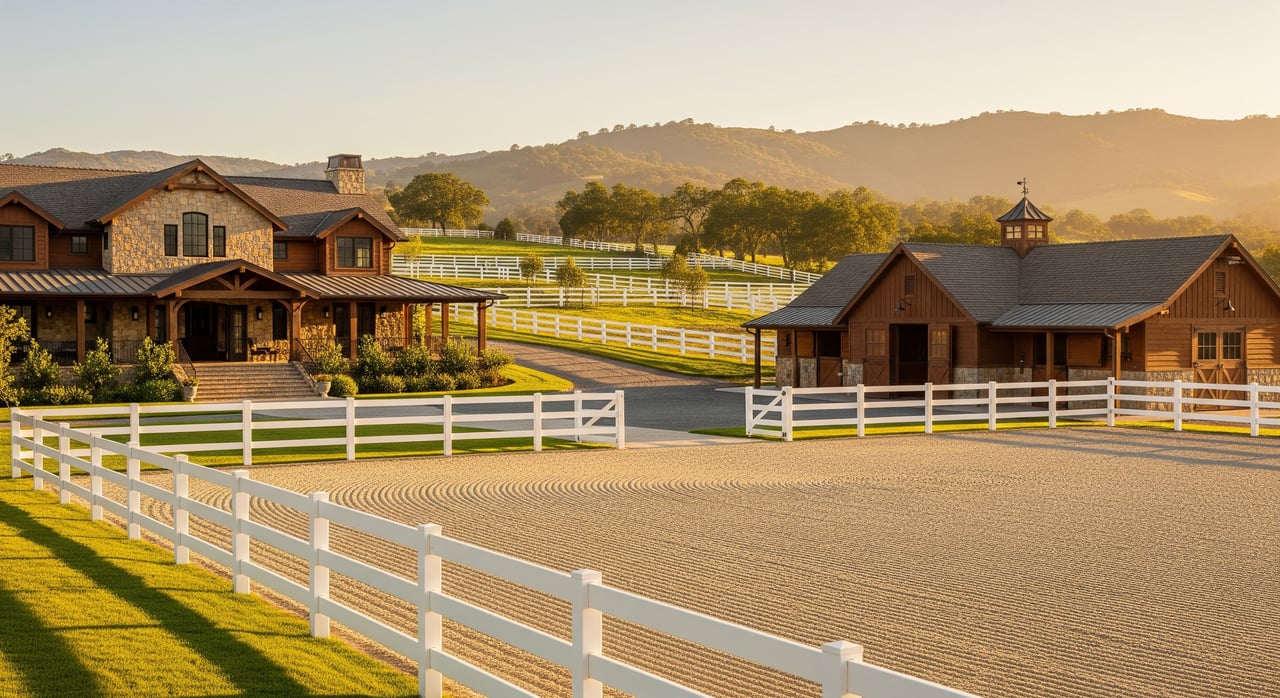
Do you dream of walking out your back door, saddling up, and riding before breakfast? If you are eyeing Bonsall for that lifestyle, you are in good company. The area blends rolling hills, valley floors, and a relaxed pace that fits daily horse care. In this guide, you will learn how to spot a truly horse ready property, what local terrain and rules mean for your plans, and how to inspect with confidence. Let’s dive in.
Why Bonsall works for riders
Bonsall sits in inland North San Diego County with a mix of foothills and valleys. You will find both level parcels and sloped acreage, which affects how easily you can place barns and arenas. The Mediterranean climate brings hot, dry summers and cooler, wetter winters. That means modest rainfall, seasonal pasture growth, and higher reliance on hay and irrigation in dry months.
Wildfire risk is a known factor in the region. You should plan for defensible space, brush management, and insurance that reflects local conditions. Sloped land can raise grading and drainage costs for arenas and barn pads. Flat, usable acreage is limited, so it often commands a premium.
What makes a property truly horse ready
Buying for horses is different than buying for a home alone. Focus on daily function, safety, and permitted uses, not just total acres. Here is what to look for.
Barns and stalls that work
Stall size matters. Common standards range from 10×10 to 12×12 feet, with many buyers preferring 12×12 or 12×14 for comfort. Check aisle width, ventilation, and lighting for safe movement and good air flow. Look for a dedicated feed or tack room, a wash rack, and separate, dry hay storage that is rodent resistant.
Turnout and paddock planning
Safe fencing, reliable gates, and shelter are key for turnout. In a semi arid climate, forage is limited in dry months, so plan on rotation plus supplemental hay. The number of horses you can support depends more on your irrigation, pasture management, and hay plan than a blanket acreage rule. Walk paddocks for footing, drainage, and shade.
Arenas and footing quality
Match arena size to your discipline. Schooling arenas often start around 60×120 feet, while a standard dressage arena is about 66×197 feet. Footing is more than surface sand. Ask about base construction, depth, drainage, and any additives like rubber or fiber. Check for dust control and power for lighting if you plan to ride in the evening.
Fencing, gates, and access
Common fencing types include wood post and rail, pipe, vinyl, and certain electrified systems. Horses need visibility and safe containment, so inspect for broken rails, protrusions, and loose wires. Trailer access matters daily. Confirm gate width, driveway condition, and room to turn a rig without backing on a slope.
Water, power, and biosecurity
Reliable water is essential for horses and irrigation. Confirm power to the barn and arena lighting, and that the septic system can support any staff or guest facilities. Look for a manure compost or haul away plan, secure feed storage, and rodent and pest control. These details shape long term costs and horse health.
Bonsall terrain, climate, and costs
Acreage types and tradeoffs
- Small ranchettes, about 1 to 5 acres, suit hobby riders who want a few horses and low maintenance. Turnout and forage are limited.
- Mid sized parcels, about 5 to 20 acres, can support a small private stable, an arena, and paddock rotation.
- Larger acreage, 20 plus acres, may fit breeding, boarding, or multi discipline facilities, but commercial operations often require county approval.
Flatter land makes arena placement and daily movement easier, yet is less common. Expect to pay more for usable acreage. Sloped sites can work with grading, drainage, and retaining, which all add cost.
Management and costs you should expect
The dry season reduces pasture productivity. Plan on regular hay purchases and irrigation to maintain turnout areas. Fire hazard management and insurance can increase annual costs. If you plan to add an arena or expand barns, budget for site work, drainage, and power upgrades.
Regulations and due diligence that protect you
Rules vary by parcel, so verify each item with county officials and your title team. Do not rely on seller statements alone.
Zoning and permitted uses
Confirm the zoning designation and allowed animal units for your parcel. Many rural zones allow residential use with a limited number of animals, while commercial boarding or breeding usually needs permits or a conditional use permit. Check setback rules that affect barn and arena placement.
Permits and code compliance
Ask for permits for barns, arenas, grading, and outbuildings. Unpermitted structures can be costly to fix and can delay financing or insurance. If past grading or retaining walls exist, request engineering reports.
Water, septic, and utilities
Identify your water source. If there is a well, get well logs, pump test data, depth, yield, and quality. If on a district system, confirm connection details and any restrictions. Verify that the septic system is sized for current and planned occupancy and that leach fields are adequate.
Fire, flood, and environmental hazards
Review your Fire Hazard Severity Zone and required defensible space. Evaluate emergency access and water availability for fire response. For flooding, consult floodplain status and any seasonal creek setbacks before planning arenas or barns. If the property is near sensitive habitat or wetlands, expect potential environmental review for new work.
Easements and access
Title documents should show recorded road, trail, and utility easements. A property can appear to have trail access, yet actual access might rely on neighbor agreements. Confirm legal access on record, not just fences and gates on the ground.
Animal health and manure rules
The County Agricultural Commissioner can provide guidance on livestock regulations, manure disposal, and any required vaccinations or reporting. If you plan higher intensity use or commercial operations, ask about stormwater and runoff standards that could affect drainage and surfacing.
On site buyer checklist
Bring this list to showings so you do not miss important details.
Immediate safety and function
- Fencing: solid posts, safe spacing, high visibility for horses.
- Stalls: size, flooring, drainage, secure latches, smooth doors.
- Barn ventilation and lighting: cross flow air, roof vents, clear aisles.
- Fire safety: clean wiring, clear egress, safe fuel storage, emergency access.
- Water access: enough hydrants and hose bibs near stalls and paddocks.
Arena and footing review
- Footing depth and consistency, and a compacted base with drainage.
- Proper grade or crown for runoff and dust suppression practices.
- Arena lighting and safe rail or perimeter fencing.
Access and logistics
- Trailer access: gate width, turning radius, driveway condition.
- Parking for clients or guests if you plan lessons or clinics.
- Dry, ventilated storage for hay, bedding, and equipment.
Site conditions and maintenance
- Drainage after storms: look for standing water or erosion gullies.
- Vegetation and shade: assess brush load and tree risks.
- Manure management: compost area, pickup schedule, and neighbor impact.
Documents to request
- Permits for barns, arenas, grading, and outbuildings.
- Well logs and pump test results, if applicable.
- Septic permits and recent inspection reports.
- Electrical panel capacity and service details.
- Title report showing easements, CC&Rs, and any recorded covenants.
- Boundary survey if fences sit near property lines.
Specialized inspections
- Equine facility inspector or experienced stable manager.
- Building inspector familiar with agricultural structures.
- Civil or soils engineer for arenas, drainage, and hillside grading.
- Well driller or hydrogeologist for water reliability.
- Environmental consultant if habitat or contamination is a concern.
- Licensed electrician and septic specialist for system safety.
Planning your daily routine and services
Feed, farrier, and veterinary planning
Because local forage drops in dry months, plan on steady hay supply. Identify reliable hay sources and delivery options. Confirm farriers and large animal vets who serve your area and can reach rural parcels. Bedding supply and manure haul away may be limited, so line up providers before move in.
Boarding and transition options
If you are not ready to keep horses at home on day one, research boarding availability nearby. Full or partial care options can bridge the gap while you set up paddocks, footing, or shelters. Availability can change seasonally, so plan ahead during your purchase timeline.
Community and trails research
Look into county parks, regional trails, and state lands that welcome equestrians. Local clubs, riding groups, feed stores, and vets can be great sources for trail tips and service referrals. Always confirm permitted use and public access rather than assuming adjacent open space is rideable.
Smart offer strategy for equestrian parcels
- Value usable ground. Flat or gently sloped acreage that fits an arena, barn, and paddocks will often price higher than raw size would suggest.
- Prioritize permitted improvements. Documented permits for barns, grading, and arenas reduce risk and speed financing and insurance.
- Weigh water reliability. A proven well with recent pump data or a stable district connection can support horses and irrigation needs.
- Budget for fire and drainage. Wildfire hardening, defensible space, and arena drainage upgrades add upfront and ongoing costs.
- Match property to discipline. Arena size, footing, and layout should align with your riding goals so you can use the facility daily.
Work with a calm, experienced advocate
Buying an equestrian property blends home and ranch due diligence. You want a partner who understands both lifestyle goals and the practical checks that keep horses safe. With more than two decades of North County experience, a high touch approach, and premium marketing resources, Heidi Dickens Homes guides you from search to close with clear steps and steady communication. Start your home’s next chapter by scheduling a private consultation.
FAQs
What arena size do most riders need in Bonsall?
- Many schooling arenas start around 60×120 feet, while a standard dressage arena is about 66×197 feet. Choose size based on your discipline and planned exercises.
How much acreage per horse works in a semi arid climate?
- There is no one size rule. In Bonsall’s dry summers, plan for supplemental hay and irrigation. Focus on turnout design and forage management rather than a fixed acres per horse number.
How do I confirm if a barn or arena was permitted?
- Request copies of building and grading permits from the seller and verify with San Diego County Planning and Development Services. Do not rely on verbal assurances.
What should I know about wildfire risk for horse properties?
- Check your Fire Hazard Severity Zone, plan defensible space and brush management, and confirm access for emergency vehicles. Expect insurance underwriters to review these items.
Is a well or district water better for horse properties in Bonsall?
- Either can work if reliable. For wells, review logs, pump tests, depth, yield, and water quality. For district service, confirm connection details and any usage restrictions.
Can I run a boarding or training business on my property?
- Commercial boarding or breeding often requires permits or a conditional use permit in San Diego County. Verify zoning and allowed uses for the specific parcel before you proceed.