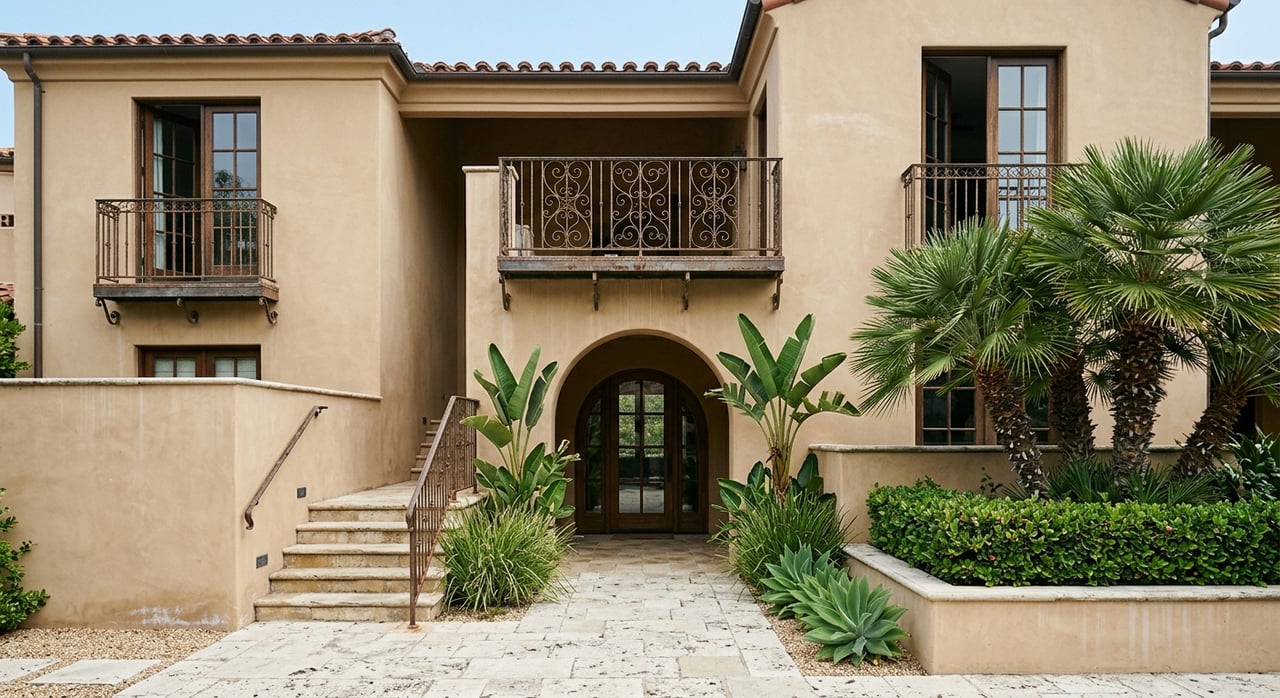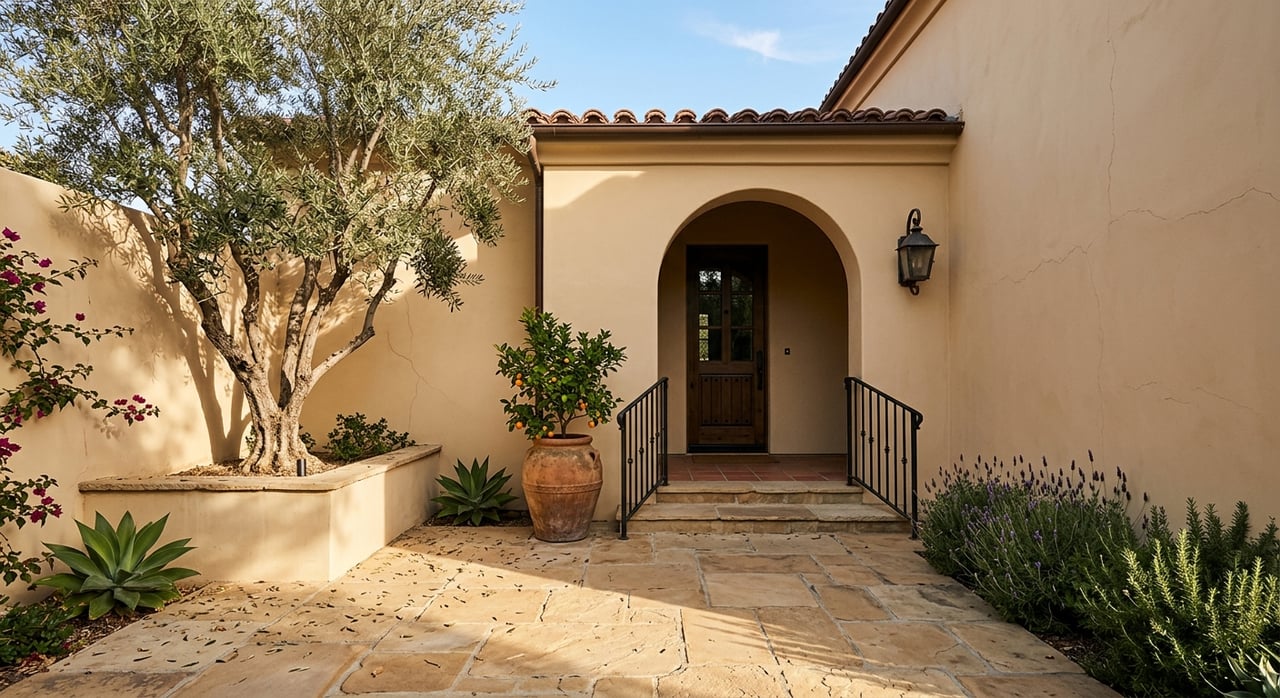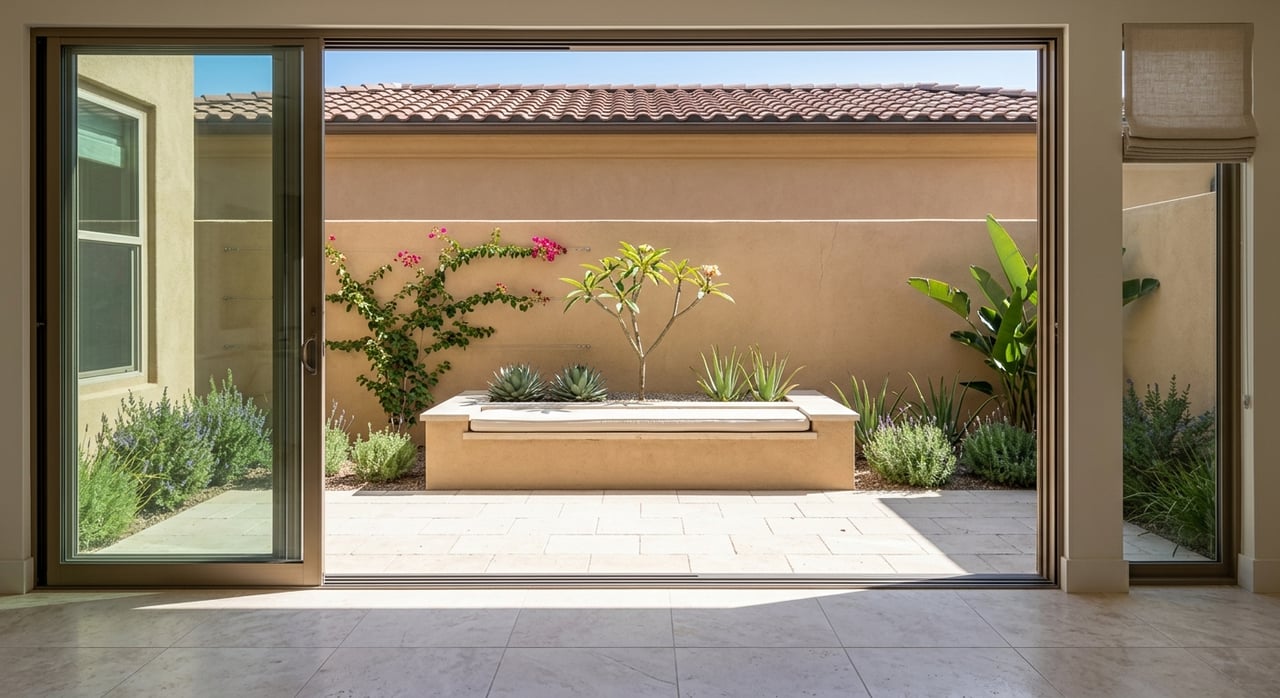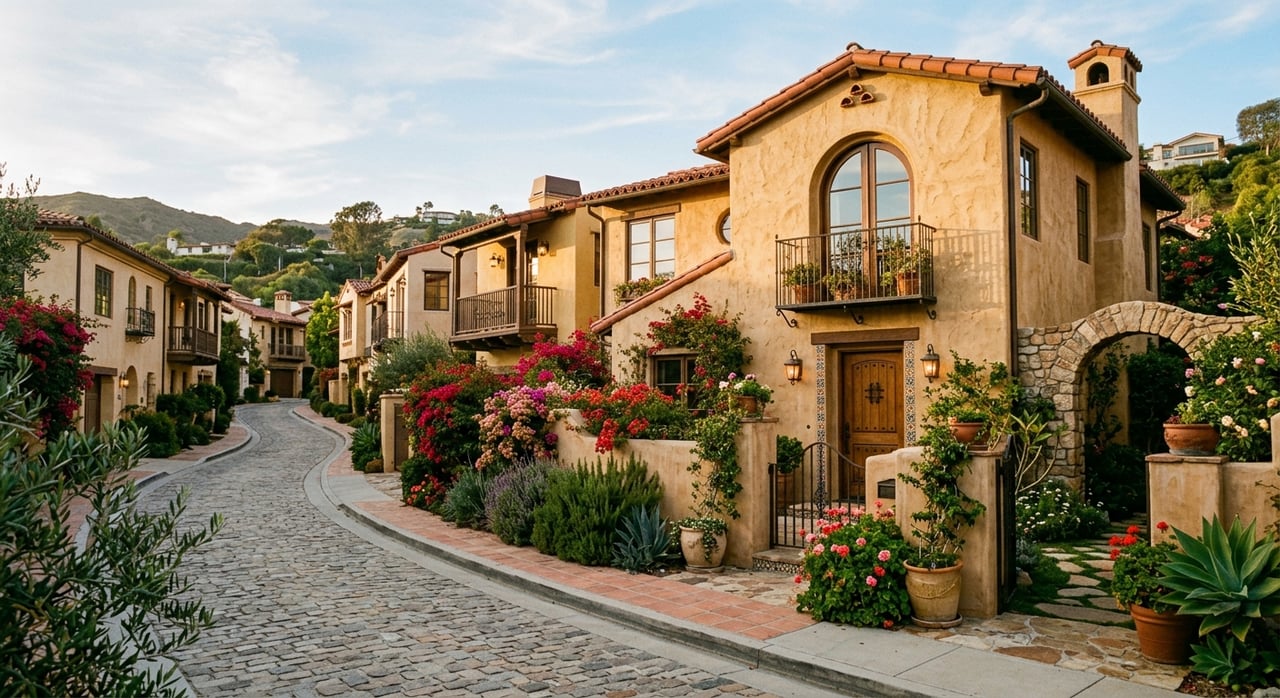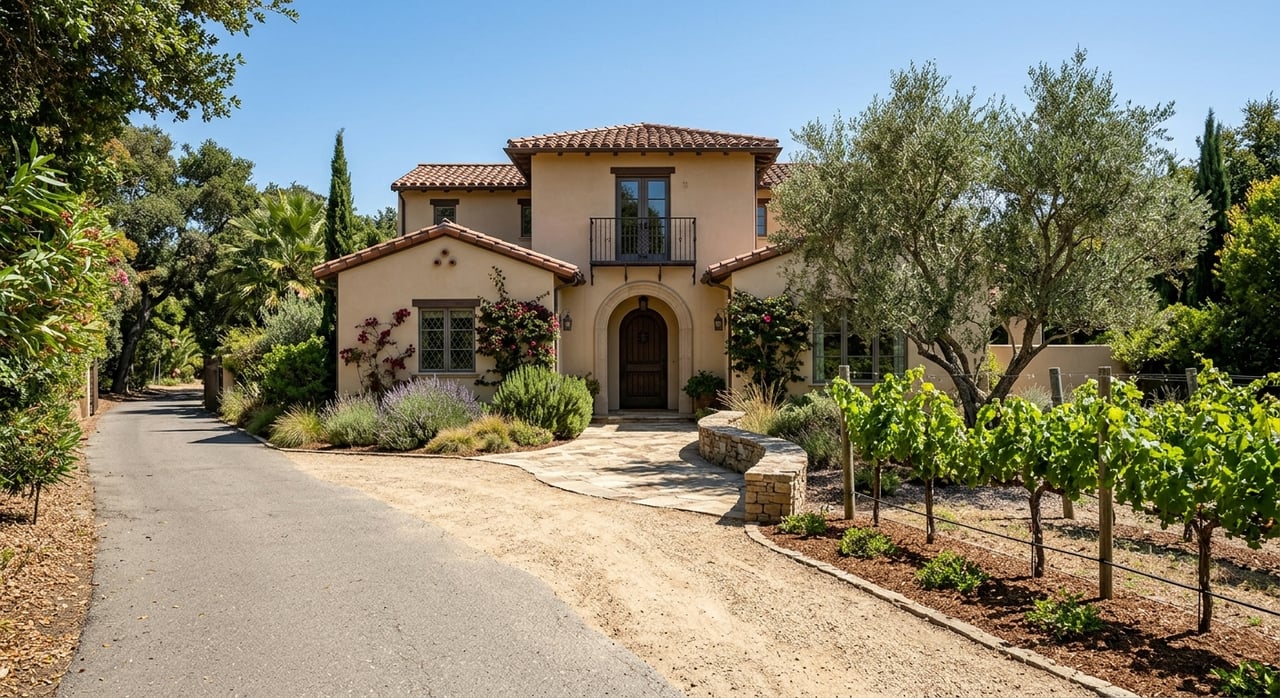
Dreaming about a Temecula wine country retreat? You are not alone. For many buyers, the appeal is easy to understand: open acreage, vineyard views, privacy, and a home that feels like a true getaway without giving up Southern California access. But buying in Temecula Wine Country is different from buying a typical suburban home, and the details matter. This guide will help you understand pricing, zoning, utilities, financing, and the questions to ask before you make an offer. Let’s dive in.
Temecula retreat prices at a glance
Temecula’s broader housing market averaged about $769,756 in home value, with a median sale price of roughly $766,667 as of spring 2026. Wine country retreats usually trade above that baseline because buyers are often paying for land, views, vineyards, guest structures, and lifestyle features in addition to the main residence.
Current listings show a wide price range. A wine-country-adjacent 2-acre home has appeared under $1 million, while a 17.07-acre parcel has been listed around $1.498 million, a 5.26-acre gated estate around $1.999 million, and a 2.3-acre vineyard estate with multiple structures around $3.1 million. In short, your budget can open very different options depending on acreage, improvements, and zoning.
What drives retreat pricing
In Temecula Wine Country, value is not only about square footage. A property’s price can also reflect acreage, whether the lot is usable, road access, water availability, views, vineyard potential, guest homes, pool features, and whether there is an HOA or no HOA at all.
It also matters whether you are buying a finished lifestyle property or a future project. Larger 10-plus-acre offerings appear more often as land or build-site opportunities than turnkey homes, while many existing retreat properties seem to fall in the 2-to-6-acre range.
Know where the property falls
One of the first things to confirm is whether a parcel is inside Temecula city limits or in unincorporated Riverside County. That single detail can shape the rules that apply to zoning, development, rentals, and future use.
The Temecula Valley Wine Country Community Plan area covers about 19,200 acres east of the city, south of Lake Skinner, and west of Vail Lake. Riverside County divides this area into Winery, Equestrian, and Residential districts to preserve distinct uses and long-term character.
Why zoning matters so much
A home can look perfect at first glance but still be the wrong fit for your goals. If you want a peaceful second home, a hobby vineyard, equestrian use, a guest house setup, or possible income potential, zoning and land-use rules should support that plan before you move forward.
Within Riverside County’s WC-R zone, allowed uses can include a one-family dwelling, vineyards, equine lands, cottage industry, and horse keeping on lots that meet minimum size and width standards. In the county plan, the Winery District is generally set at one dwelling per ten acres, while the Residential District is generally one dwelling per five acres.
Lot size rules to review
Lot size can affect more than privacy. It can influence whether a property supports your intended use now and whether it holds flexibility for the future.
For example, clustered vineyard development may allow 1-acre minimum lots if at least 75% of the project area is permanently set aside as vineyards. Class I wineries require at least 5 acres, and Class II wineries require at least 10 acres. Even if you are not planning a winery, these standards help explain why some parcels command a premium.
Read the HOA and CC&Rs carefully
Do not assume a retreat property gives you total freedom just because it sits on acreage. In California, CC&Rs run with the land, and a property can have CC&Rs even if there is no HOA.
If an HOA exists, it may have the authority to collect assessments and enforce rules. For a Temecula retreat, that means you should review documents closely for limits on fencing, landscaping, livestock, rentals, architectural changes, and dues before you rely on the property’s lifestyle appeal.
Expect more hands-on ownership
A wine country retreat often comes with a more involved ownership experience than a tract home. That is part of the charm, but it also affects your budget, your time, and your long-term planning.
Recent listings show common features buyers should expect in this area: private or county-road access, unpaved or privately maintained roads, drip irrigation, pools and spas, propane systems, septic systems, and detached guest structures such as casitas or guest houses. These details can shape both daily use and ongoing costs.
Utilities deserve extra attention
Water and wastewater are especially important in Temecula Wine Country. Riverside County’s plan requires adequate water resources and sewer facilities or septic capacity for development.
This is not a small issue. Eastern Municipal Water District has said it is pursuing funding for a modernized sewer system because winery and tourism growth has outpaced onsite septic capacity in parts of the area. That makes it important to confirm exactly how a property is served today and what that could mean for future improvements.
Septic and water questions to ask
Before you buy, make sure you understand the basics:
- Is the property on public water, well water, or does water only appear available at the street?
- Is the home on septic, and if so, what type?
- Are there known capacity or expansion limits?
- Are guest houses, additions, or event-style uses realistic under current utility conditions?
- Who maintains the road and utility access points?
These answers can affect both your enjoyment and your resale value.
Plan for fire preparedness and site upkeep
Beautiful acreage also comes with ongoing land management. In this part of Riverside County, buyers should budget for brush clearance, landscape maintenance, and home hardening, especially on parcels with trees, slopes, vines, or long driveways.
CAL FIRE notes that defensible space inspections occur in State Responsibility Areas, and local agencies may apply stricter standards. Riverside Fire classifies Fire Hazard Severity Zones as moderate, high, or very high, so understanding the site’s fire context is part of smart due diligence.
Short-term rental use is not automatic
If you hope to offset ownership costs with short-term rentals, verify the rules before you buy. Riverside County’s short-term rental ordinance is designed to minimize impacts in unincorporated areas, with added limits and caps that specifically affect places like Wine Country.
That means a property’s vacation-rental appeal may not match what you can legally do with it. HOA rules and CC&Rs can add another layer of restriction, so this is an area where careful review matters.
Financing a Temecula wine country retreat
Many buyers use conventional financing for second homes, but the property has to meet the lender’s definition of a true second home. Fannie Mae says the home must be occupied by you for part of the year, be suitable for year-round use, remain under your exclusive control, and not function as a timeshare or be subject to an occupancy-management agreement.
Fannie Mae also notes that rental income may exist in some cases, but it cannot be used to qualify if the home is being treated as a second home under those standards. Freddie Mac’s current loan-to-value guidance allows second-home purchases up to 90% LTV in some conforming scenarios, which means some buyers may be able to purchase with 10% down.
Budget beyond the down payment
The California Department of Real Estate says many buyers should expect roughly 5% to 20% down plus 3% to 7% in closing costs. For a wine country retreat, you should also leave room for inspection costs, insurance, site maintenance, and any immediate work tied to roads, irrigation, fire safety, pools, fencing, or guest structures.
This kind of property can be incredibly rewarding, but it tends to perform best as a lifestyle purchase when the carrying costs are clear from the start.
Why local guidance matters here
In Temecula Wine Country, two properties with similar photos can have very different long-term value. One may work beautifully as a residential estate, while another may be better suited as a vineyard parcel, equestrian property, or future build opportunity.
That is why local, detail-oriented guidance matters. A strong advisor helps you look past the views and ask the practical questions about zoning, water, septic, road access, HOA or CC&Rs, and whether the property supports your lifestyle goals now and your resale goals later.
For buyers seeking a second home or retreat, that process should feel calm and methodical. The right property is not just beautiful. It also fits the rules, the upkeep, and the long-term plan.
If you are considering a Temecula wine country retreat, a thoughtful buying strategy can help you avoid expensive surprises and focus on the properties that truly align with your goals. When you are ready for tailored guidance and a high-touch approach to your next move, connect with Heidi Dickens Homes.
FAQs
What does a Temecula wine country retreat usually cost?
- Wine country retreat pricing often starts higher than Temecula’s broader market because land, views, vineyards, guest houses, and other estate features add value. Current examples range from under $1 million for some wine-country-adjacent 2-acre homes to about $3.1 million for improved vineyard estates.
What acreage is common for Temecula wine country homes?
- Based on current listings, many retreat properties appear to fall in the 2-to-6-acre range, while 10-plus-acre properties appear more often as land or build-site opportunities than turnkey homes.
What zoning should buyers check for Temecula Wine Country property?
- You should confirm whether the property is in the City of Temecula or unincorporated Riverside County, then review the applicable zoning and community plan district. In the Wine Country area, districts include Winery, Equestrian, and Residential, each with different use and density rules.
What utility issues matter most for Temecula retreat homes?
- Water source, septic setup, sewer availability, road access, and maintenance responsibility are major issues to confirm. In this area, utility details can affect daily use, future improvements, and long-term ownership costs.
Can you use a Temecula wine country retreat as a short-term rental?
- Possibly, but you should verify Riverside County rules and any HOA or CC&R restrictions before you buy. Short-term rentals in unincorporated Wine Country are subject to specific county limits and caps.
What financing options work for a Temecula second home?
- Conventional second-home financing may be available if the property meets lender requirements for second-home use. Some conforming loan scenarios may allow up to 90% loan-to-value, but qualification depends on the property and borrower profile.